Brave Little Minds is a children’s book series created to celebrate the many different ways young minds experience the world.
Through imaginative stories, children meet lovable characters navigating experiences connected to ADHD, anxiety, autism, dyslexia, and other forms of neurodiversity. The stories make room for real challenges without defining a child by those challenges.
Each character discovers practical tools that can help them navigate everyday situations while also recognizing the curiosity, sensitivity, creativity, determination, observation, imagination, and other strengths that are part of who they are.
Stories with something to practise
Every book is paired with interactive activities, games, and exercises that take the story into a practical space. Children can explore the ideas independently or with support from a parent, caregiver, teacher, or other trusted adult.
A growing world
Brave Little Minds begins with four characters and four experiences, but the vision is larger: a growing library of stories and resources that help more children see themselves reflected in the books around them.
Why Stories & Tools Matter
Shared stories can become shared tools.
Brave Little Minds is designed around a simple idea: stories can help children recognize an experience, and practical tools can help them do something with that recognition.
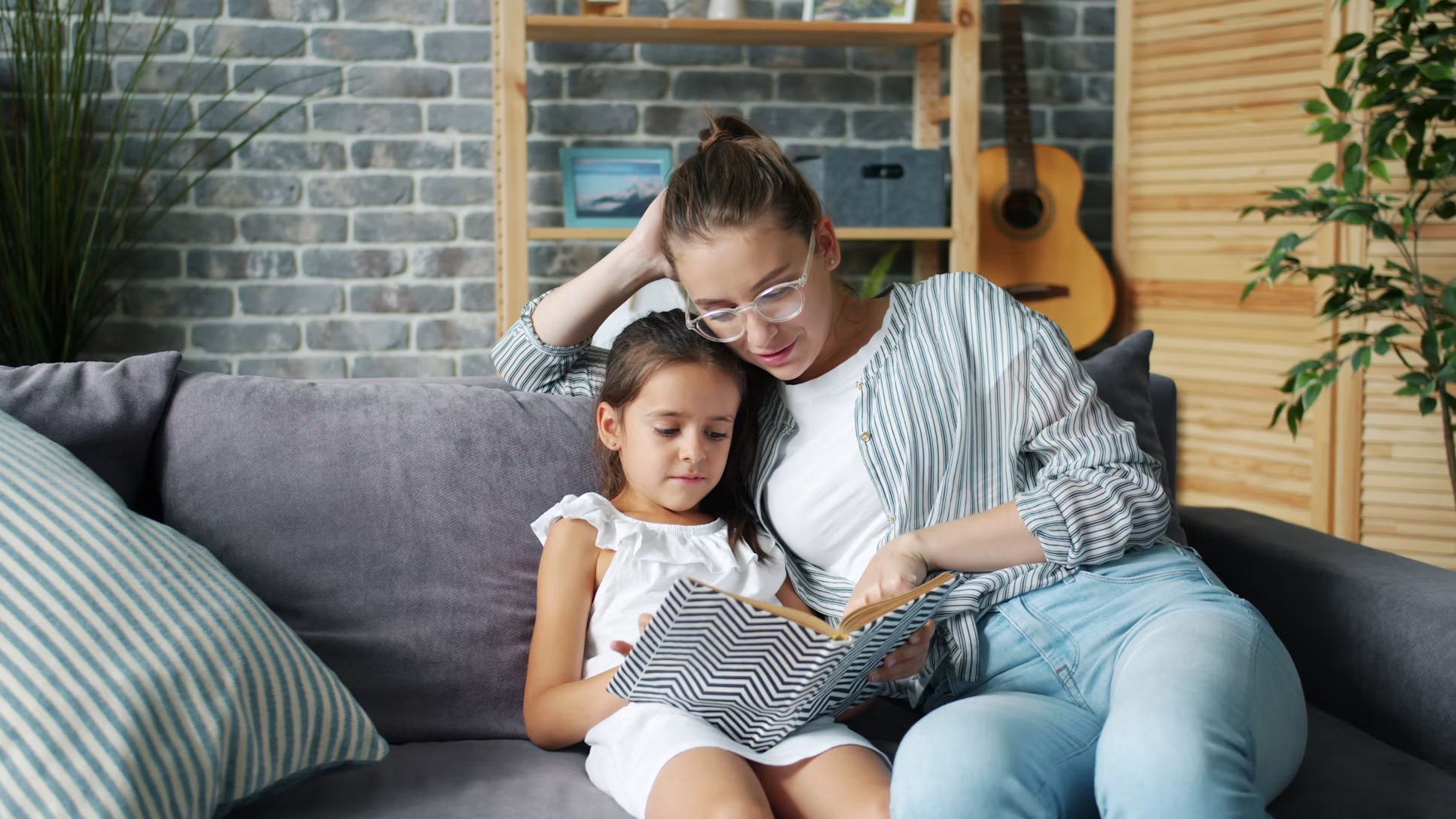
Reading together builds more than literacy.
The American Academy of Pediatrics recommends shared reading from infancy and highlights its role in language development, social-emotional growth, and strengthening parent-child relationships.
Read the AAP policy →
Connection helps young brains develop.
Harvard’s Center on the Developing Child explains how responsive, back-and-forth “serve and return” interactions with caring adults support early brain architecture, language, and social development.
Explore Harvard’s research →
Early support can make a meaningful difference.
The CDC notes that accessing support early can improve development and help autistic children and children with other developmental differences do well in social and educational settings.
Read the CDC guidance →
Parents can be powerful partners in building skills.
For young children with ADHD, the CDC recommends parent training in behavior management and notes that it can support behavior, self-control, relationships, and everyday success.
Read the CDC ADHD guidance →
Brave Little Minds books are educational resources designed to support understanding, conversation, and skill-building. They are not a substitute for professional assessment, treatment, or individualized clinical support.